
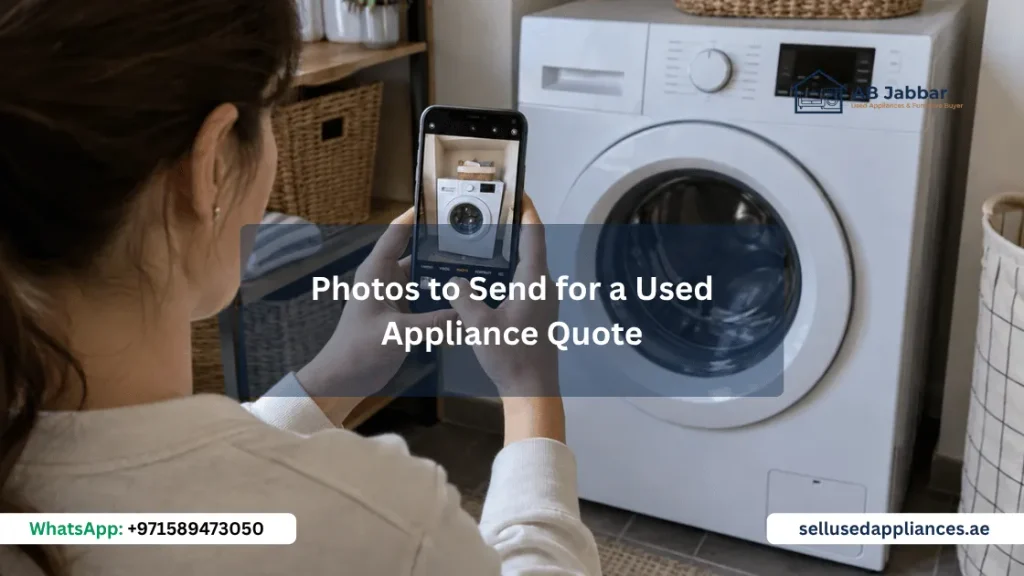
You send a photo of your refrigerator and wait for an offer. The buyer replies with questions: Which model? Are the drawers complete? Is that a reflection or a dent?
A few well-chosen photographs can answer those questions early. For a used appliance quote, show the whole item, identification label, interior, accessories and visible damage. Add a short, honest description of how it works.
You do not need professional equipment. A phone camera and clear daylight are enough to make the details easier to assess.
Start with five useful views
Think of the photographs as a short inspection record. Each one should answer a different question.
| Photograph | What it helps the buyer understand |
|---|---|
| Whole appliance | Type, finish and overall appearance |
| Model label | Exact product identification |
| Interior or working area | Shelves, drum, baskets, trays or other visible components |
| Accessories | What is included in the sale |
| Damage or wear | Scratches, dents, cracks and missing parts |
There is no required number of pictures. A simple appliance may need fewer; a large fridge with several damaged drawers may need more. Aim for enough detail to explain its condition clearly.
Take one clear overall photograph
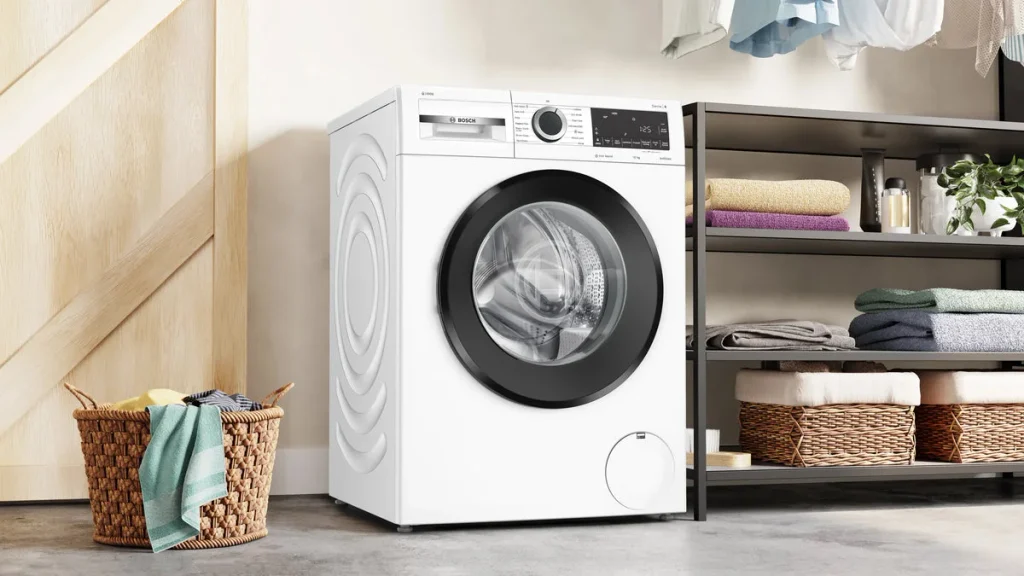
Step back far enough to include the whole appliance. Use steady lighting and keep the phone level where practical.
Avoid filters that change colour or conceal marks. Remove clutter from the foreground, but do not hide damage with objects or stickers.
For a reflective steel finish, try another angle if glare covers the surface. You can take a second picture to show a mark more clearly.
Photograph the actual appliance you are selling. A manufacturer’s picture explains the design but says nothing about your unit’s condition.
Make the model label readable
A front-panel logo rarely identifies the full model. Photograph the identification label closely enough that the text is readable, then check the image before sending it.
Label locations differ by appliance and manufacturer. If you cannot find yours safely, consult the manual or official support. Samsung Gulf’s support page includes guidance on finding product identification details.
Do not remove panels, disconnect equipment or pull out a heavy fitted appliance just for a photograph. Explain that the label is inaccessible and ask the buyer what alternative information would help.
When sharing purchase documents, cover unrelated personal and payment details. Keep the model, purchase date and relevant repair information visible where needed.
Use an appliance-specific shot list
Refrigerators and freezers
Show the outside with the doors closed, followed by the accessible interior. Include shelves, drawers and door storage so missing or broken parts are clear.
Photograph damaged seals or handles separately. If frost buildup, leakage or a recurring error is present, describe it rather than presenting the appliance as fault-free.
For more on the sale itself, see our used refrigerator selling guide.
Washing machines and dryers
Show the control panel, door and visible drum area. Include a close-up of any damaged seal, drawer or external panel.
For a separate washer and dryer, send the model label for each unit. A matching finish does not mean the machines share one model number or capacity.
State which functions you have recently used. If the washer runs but the drying function is untested, make that distinction explicit.
Cookers and built-in ovens
Show the front, control panel and accessible cooking cavity when the appliance is off and cool. Include racks, trays and removable accessories that belong in the sale.
Photograph visible damage to glass, handles or controls. Mention any function that does not operate normally.
For built-in equipment, include a wider picture showing the installation. Do not loosen fixed connections or remove the unit to improve the picture.
Dishwashers
Photograph the front, controls and accessible racks or baskets. Show broken wheels, damaged rack areas and missing cutlery holders where applicable.
Add the model label if safely accessible. Tell the buyer about errors, leaks or incomplete cycles even if those problems are not visible in a photograph.
Show damage with both context and detail
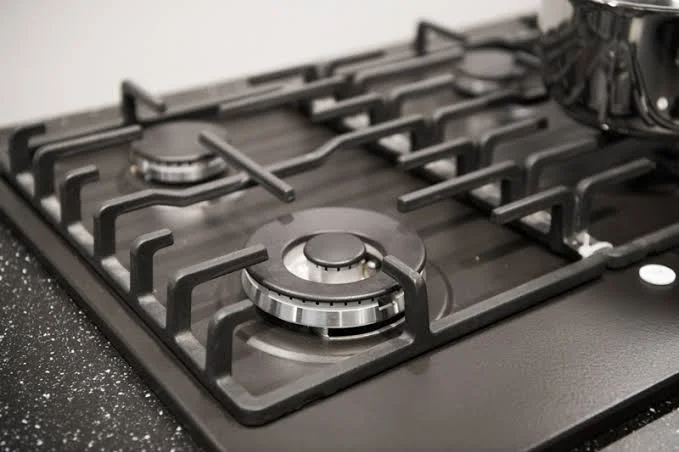
A close-up proves that a scratch exists but may not show its location. Take a second photograph from farther back so the buyer can place it on the appliance.
Describe the issue in plain language: “dent on the lower left door” is more useful than “normal condition.” Avoid guessing whether damage is easy or cheap to repair.
For example, a fridge with a cracked drawer and otherwise tidy panels needs both details shown. Neither a flattering overall picture nor a damage-only close-up tells the full story.
Add a short video only when it helps
A video can show the controls or an ordinary operating cycle. It may help explain an intermittent sound or displayed message.
However, a clip does not prove every function works. A lit refrigerator display does not establish cooling performance, and a rotating washer drum does not establish a complete wash-and-spin result.
Only demonstrate normal operation when it is safe. If the appliance has a known safety concern, disclose it and leave assessment to an appropriate professional.
Keep several items easy to identify
When selling multiple appliances, group the photographs by item. Name them “Fridge,” “Washer” and “Dryer,” or number them consistently in your message.
Place the relevant model label beside that item’s photographs in the message sequence. Then list each appliance’s age, known faults and included accessories separately.
This avoids confusion about which label belongs to which machine. It also lets the buyer explain if only some items are suitable for purchase.
Send the details with the pictures
Use this checklist when writing your enquiry:
- Appliance type and full model number.
- Approximate age, or “unknown” if you are unsure.
- Current working condition and any known faults.
- Missing accessories or visible damage.
- Your area and preferred collection date.
- Floor, lift access and any removal work needed.
For example: “I want to sell the refrigerator shown in these photos. It is approximately four years old. The lower drawer is cracked. Location: Al Nahda, Dubai. Collection preferred next week. Please confirm whether you accept it and whether the estimate requires an inspection.”
This is an illustrative message, not a customer testimonial.
What happens after you send the photographs?
The buyer may request more details or an operating inspection. Ask whether an offer is provisional and what could change it.
Clear photographs help explain the item, but they do not guarantee acceptance or a higher price. Read what affects appliance resale value if you want to understand the valuation discussion.
When a date is agreed, use our move-out collection guide to plan access and preparation.
Request your appliance quote
Send the photographs and details through the contact options at SellUsedAppliances.ae. Ask AB Jabbar to confirm acceptance, any inspection requirements and the next step.
One clear set of pictures gives the conversation a useful starting point. You can then discuss the offer and collection with the same appliance details in front of everyone.


- Pingback: How Much Is My Used Appliance Worth in Dubai? - AB Jabbar Used Appliance and Furniture Buyer and Seller